Ink Adhesion and Curing in Fiber Coloring Machines

Fiber-to-the-Home Cable Production: How the Manufacturing Process Works

Quick fact: more than 70% of U.S. broadband rollouts now rely on fiber networks that require high-precision manufacturing to achieve required performance.

Shanghai Weiye OFC Equipment runs complete Fiber cable sheathing line manufacturing, from selecting brand fibers like Fujikura® or Corning® SMF-28e to final test reports that deliver 100% QA.

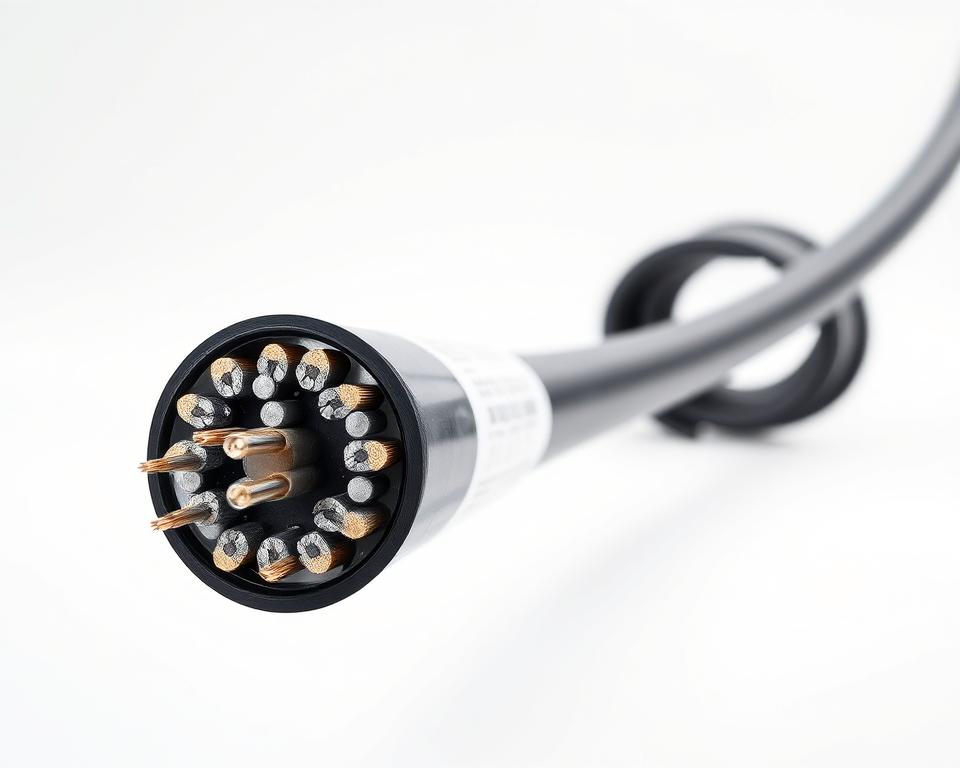
Our drop designs fit overhead, underground, and direct burial installation, with LSZH, PVC, and PE jacket options and core counts from 1 to 4 cores. We offer single-mode OS1/OS2 and OM2–OM4 grades plus ITU-T G.652D and ITU-T G.657 variants, Pantone-matched sheath colors, and logo printing.

Automated machines and high-precision equipment keep line speed steady and keep repeatability high. Typical lead times are 4–5 days for orders < 100 km and 7–10 days under 500 km, with an min. order of 1 km and warranty for free replacement on quality issues.

Continue to see how our materials, tests, and support help reduce lifecycle cost and align the product to your network needs.

  • Shanghai Weiye OFC Equipment delivers full manufacturing with lab validation for U.S. deployments.
  • Multiple jacket choices and optical grades cover varied installation environments.
  • Automated production lines provide stable quality and stable optical performance.
  • Fast lead times, low MOQ, and brand fiber options keep procurement predictable.
  • Comprehensive test reports and after-sales warranty back product reliability and documentation needs.

Expert FTTH manufacturing by Shanghai Weiye OFC Equipment

When schedules and performance count, Shanghai Weiye OFC Equipment delivers customized drop cables with full test documentation.

As a dedicated manufacturer, Shanghai Weiye OFC Equipment combines purpose-built equipment with stringent material control. We offer customized service and products for residential and MDU rollouts. Every order includes full QA coverage and full test reports.

Our lab runs high-temperature, salt-fog, and vibration testing to verify durability. Jacket options include LSZH, PVC, and PE. Designs include bow-type flat and self-supporting styles and use brand fibers such as Fujikura and Corning SMF-28e.

FTTH cable production line

  • Documented line control and production checks for auditable shipments.
  • Engineering support for specification reviews, trials, and volume ramp.
  • Modern fixtures and calibration minimize variation so every cable meets operator standards.

How We Produce FTTH Cable

At Shanghai Weiye OFC Equipment, manufacturing steps are aligned to network specifications, combining brand fiber choices with strict test routines.

Selecting Optical Fiber and Brands

We align fiber ribbon line to bend radius, attenuation, and deployment type. Options include OS1, OS2, OM2–OM4 and ITU-T G.652D, G.657.A1/A2. Brand fibers such as Fujikura and Corning SMF-28e are available to meet procurement standards.

Strength member integration

Strength members employ FRP (dielectric) or galvanized steel wire. FRP is ideal where non-conductive runs are required. Steel wire provides tensile strength for long-span aerial runs and bonding/grounding needs.

Jacket extrusion and process control

Jacket options include LSZH for flame/smoke safety, PVC for flexibility, and PE for UV/moisture resistance outdoors. Closed-loop control of extruder temperature and capstan speed keeps line speed stable and critical dimensions.

Member Dielectric FRP Steel wire
Use case Non-conductive runs High-tension aerial runs
Advantage Lightweight, inert High strength
Installer note Simple terminations Bonding/grounding required

In-Process and Final Testing

Inline geometry/concentricity checks run during manufacturing. Final optical tests verify loss and return loss. Each order ships with a full test report and lab results from high heat, salt-spray, and vibration trials to confirm handling for drop terminations and field use.

Typical lead times are 4–5 days for < 100 km and 7–10 days for < 500 km. Lot records and FAI approvals support traceability and compliance for U.S. programs.

FTTH Drop Designs We Build

Shanghai Weiye OFC Equipment offers a compact portfolio of drop designs that suit both tight indoor routes and exposed aerial spans. Each option combines tested materials with field-termination geometry and stable optical performance.

The flat bow-type drop minimizes footprint for risers and conduit. It reduces bend loss for simple routing in hallways and MDUs.

Self-supporting designs for aerial spans

Self-supporting FTTH drop designs include a messenger element to carry tensile loads. Choose FRP (dielectric) for non-conductive runs or steel messenger when bonding/grounding and higher tensile strength are required.

Layouts & Strength Members

We offer both dielectric and metallic strength member configurations to meet safety/EMI requirements. Central loose-tube and unitube flat types balance crush resistance and compact fiber unit for quick termination.

Jackets for Indoor/Outdoor

Jacket choices include LSZH for indoor flame/smoke compliance and PE for outdoor UV and moisture resilience. Each series is validated for mechanical/optical performance before shipment.

Design Best use Strength member Jacket
Flat bow-type Indoor risers and MDUs Dielectric FRP Low-smoke zero-halogen
Self-supporting Aerial spans Steel wire or FRP PE
Center loose tube Higher fiber counts FRP LSZH/PE
Flat unitube Low count, quick strip FRP/Steel LSZH/PE

Production Assets for Speed and Quality

Automation with sensor feedback at Shanghai Weiye OFC Equipment cut manual handling and boost throughput for patch cord prep.

Our production line uses automated machines that cut and strip drop patch cords to increase output and reduce operator variability.

The CLX-BPO2 automated stripper runs under PLC and photoelectric control. One cycle is about 1.5 seconds, giving ~20 terminals per minute in production.

Automated Cut/Strip for Drop Cords

The equipment strips LSZH and PVC jackets and trims FRP or steel strength members to precise stub lengths. Pneumatic cylinder actuators deliver fast, repeatable motion and low downtime.

PLC & Photoelectric for Precision

PLC logic and photoelectric sensors deliver precise positioning and closed-loop control. Inline checks feed control charts so operators can adjust drifts before defects grow.

Item Capability Result
Machine Auto-strip, ~1.5 s cycle High throughput
Drive Pneumatic cylinders Fast/reliable motion
Material handling LSZH/PVC; FRP/steel Accurate stubs, clean terminations
Control PLC/photoelectric with in-line SPC Consistent quality, lower rework
  • Automated waste ejection and ergonomic feeders maintain clean workcells.
  • PCPs document calibration and key parameters.
  • Combined machines, fixtures, and trained staff support FTTH volume targets without sacrificing accuracy.

What the CLX-BPO2 Adds

The CLX-BPO2 brings industrial-grade stripping and trimming to our line, reducing cycle time while maintaining consistent prep.

Shanghai Weiye OFC Equipment uses the CLX-BPO2 to increase throughput and standardize terminal quality. The unit cycles in ~1.5 seconds, yielding about 20 terminal preparations per minute in production.

PLC/photoelectric control enable precise detection and repeatable actuation. That control helps keep strip lengths and reserved strength stubs within tight tolerances.

Throughput & Cycle Time

Typical operation speed is 1.5s per cycle. This translates to steady throughput under continuous line conditions.

Supported Strip and Stub Lengths

The CLX-BPO2 strips LSZH and PVC jackets with an adjustable strip length from 17.5 to 35.0 mm. Reserved stubs are set between 7.0 and 11.0 mm to fit common termination hardware.

FRP & Steel Member Handling

The machine cleanly cuts FRP and steel wire strength elements while protecting adjacent fibers. Customized cutters are offered for non-standard cross-sections to maintain precision.

  • Automatic waste ejection and sensor-triggered start cut idle time.
  • Compact size (L40 × W18 × H18 cm), 110–220V, 50W, and 11 kg mass simplify cell integration.
  • Cylinder-driven motion and closed-loop control boost reliability and lower maintenance interruptions.
Specification Value Why it matters
Cycle time ~1.5 s (~20/min) High throughput for production runs
Jacket strip (A) 17.5 to 35.0 mm Compatible with common connectors
Stub (B) 7.0 to 11.0 mm Supports termination strength
Power & size 50W @ 110–220V; 40×18×18 cm Simple integration

Using this machine, Shanghai Weiye OFC Equipment standardizes prep so field teams get drop parts install-ready. The CLX-BPO2 helps our production lines meet volume goals without compromising quality.

Tailored Specifications for Your Network

Shanghai Weiye OFC Equipment configures every order to fit your network requirements and simplify deployment. We combine focused options with predictable schedules so your teams receive ready-to-install products.

Choose 1 to 4 cores with single-mode or multimode fiber. Options include OS1/OS2 plus OM2–OM4 plus G.652D/G.657 variants to align with optics and connector plans.

We match sheath colors to Pantone codes for fast field ID and consistent asset tags.

Branding and Print Options

Select LSZH, PVC, or PE jackets to suit route and safety requirements. Custom legends/logos aid inventory/warranty tracking.

Lengths, Packaging & Special Builds

Standard reel lengths are 1 km, 2 km, and 4 km with custom reels and packaging to fit storage/handling. Choose flat bow-type or self-supporting and steel wire or FRP strength members to meet span and isolation needs.

Choice Typical Benefit
Length 1 / 2 / 4 km Less staging, easier reels
Sheath LSZH, PE, PVC Indoor/Outdoor fit
Structure Flat bow / Self-supporting Routing and span flexibility

As a supplier, Shanghai Weiye schedules runs to your plan and delivers documentation that lists final specifications for easy on-site QA.

Quality assurance, testing, and documentation

Shanghai Weiye OFC Equipment builds checkpoints into production so every item ships with recorded acceptance data.

Environmental and Mechanical Tests

Our lab conducts elevated-temperature exposure, salt fog corrosion, and mechanical vibration to qualify materials and assemblies. These tests recreate field stresses for indoor/outdoor applications.

Per-Reel 100% Reports

Every fiber optic cable ships with a 100% test report that logs attenuation, return loss, and geometry where applicable. Final QC gates prevent nonconforming shipments before they leave the factory.

Traceability and compliance

Batch records link tests to reels/serials so audits and claims are easy to verify. Documentation follows common customer templates to speed approvals and inbound inspection.

  • Line checks and final inspection prevent field failures and lower warranty events.
  • QA packages include specifications confirmation and formatted data for quick review.
  • Continuous test trends drive preventive maintenance and improve long-term reliability.
Trial Why Result
High-temperature Thermal stability Validated heat endurance
Salt spray Corrosion resistance Outdoor suitability
Vibration Mechanical robustness Improved field reliability

Cost Drivers and Pricing

Budget planning for a drop begins with fiber/jacket selection and is shaped by volume and customization.

Typical prices range broadly—from about $30 to $1,000 per unit—based on fiber grade (G.652/G.657/OM2–OM4), jacket chemistry (LSZH, PVC, PE), length, and structural design.

Materials, Grade, Jacket & Structure

The primary cost drivers are fiber grade, jacket material, and the chosen structure for deployment.

Self-supporting structures and steel strength elements raise material and labor input. Custom colors, logos, and print legends add setup time and impact pricing on small runs.

How Volume & Options Affect Cost

Longer put-ups and larger volumes lower unit cost. Short runs often carry setup fees and higher unit prices.

  • Changeovers and special cutters extend lead time and add to cost.
  • Clear RFQs with schedule alignment let Shanghai Weiye OFC Equipment align price quotes to delivery windows.
  • Framework agreements and indexed pricing stabilize budgets over phases.
Factor Price impact Recommendation
Fiber grade High impact Right-size spec to budget
Jacket type Medium impact Compare LSZH vs. PE for total cost
Length/Volume High impact Consolidate runs to cut unit cost

Lead times, MOQ, and delivery for the United States

Shanghai Weiye OFC Equipment keeps lead times/logistics clear so planners can align crews and sites. Predictable schedules cut downtime and help control cost when a rollout is underway.

Production Windows & Capacity

Typical production windows run 4–5 days for orders under 100 km and 7–10 days for < 500 km. We schedule line capacity to match your rollout milestones and to maintain on-time delivery.

The service team issues production updates and tracking so installation teams can plan arrivals. For compressed schedules, we reserve contingency capacity to pull in critical-path orders.

Minimum order quantity and why it matters

The MOQ is one kilometer. This reflects line setup such as wire/die adjustments that consume start-up material and scrap.

We review your put-ups and staging to select reels to reduce waste/handling. Batch releases can balance inventory holding with more frequent small-site deliveries.

Installation readiness and application scenarios

On-site conditions determine whether a self-supporting aerial, ducted pull, or direct-buried run is the right choice for a project.

Aerial, duct, and direct-buried deployment considerations

For aerial runs, Shanghai Weiye OFC Equipment recommends self-supporting designs with correct strength members to manage sag/tension for long-term stability.

Duct installations perform best with low-friction sheaths and crush-resistant builds so pulling does not damage fibers. PE jackets are typical for underground and buried paths where moisture resistance is needed.

Direct-buried designs need correct burial depth per local codes and moisture-resistant jackets to protect the fiber core long-term.

Indoor Distribution and ONT

Indoor riser and plenum routes prefer LSZH to meet flame and smoke rules. Flat drop profiles strip cleanly and present controlled strength stubs for quick ONT termination.

We advise on steel vs FRP (dielectric) strength members based on bonding requirements, lightning exposure, and hardware compatibility. Standardized prep from the production line shortens install time and minimizes scrap.

Deployment Key design Field note
Aerial Self-supporting (steel/FRP) Check tension and messenger hardware
Duct Low-friction jacket, crush resistance Use pull tape and proper lubricant
Direct burial PE jacket, moisture barrier Follow depth/warning tape codes
Interior LSZH with tight-bend support Maintain bend radius at penetrations

Our approach ensures a consistent install experience across indoor/outdoor transitions. That leads to fewer callbacks, speeds activations, and stable field performance for your system.

Comprehensive Support & After-Sales

Our team coordinates tests, line schedules, and installation guidance to remove surprises during deployment.

Shanghai Weiye OFC Equipment provides engineering support from early requirements capture through approved drawings and pre-production builds. We deliver documentation templates and clear installation notes so field crews work from the same plan.

After-sales service covers rapid response, root-cause analysis, and corrective actions. All products ship with full test reports and traceability to help QA acceptance.

  • Round-the-clock availability for status updates and technical guidance.
  • Warranty with free replacement if any quality problems are confirmed.
  • Schedule coordination for expedites and urgent changes.
  • Configuration control so shipped items match agreed specs consistently.
Area Scope Outcome
Tech/Eng Specs + pilots Fewer field issues
Testing Lab + 100% reports Full traceability
After-sales Fast replace + RCA Lower downtime

Final Thoughts

Choose Shanghai Weiye OFC Equipment for tailored drop builds, short lead times, and traceable quality records.

We provide custom FTTH drops that combine materials with validated manufacturing and lab tests. Every reel includes a 100% test report and documented lab trials to support field acceptance in the United States.

A robust production line, including CLX-BPO2-enabled prep machines, reduces variability and shortens turnaround. Our equipment set standardize strip/stub lengths so installers get consistent results at turn-up.

From fiber selection through jacket, printing, and packaging, we balance design and cost to extend service life. Dedicated customer support covers scheduling/logistics/after-sales so your deployment remains on plan.

Contact Shanghai Weiye OFC Equipment to align specifications, timeline, and volume. We stand behind every fiber optic and optic cable shipment with lab validation and responsive support.

Related: Compact Fiber Unit: Revolutionizing Infrastructure

Why Cast Iron Gate Valves Are Still Relevant Today

Cast Iron Gate Valves: Practical Features, Benefits, and Uses

Can one reliable valve reduce maintenance and extend system uptime?

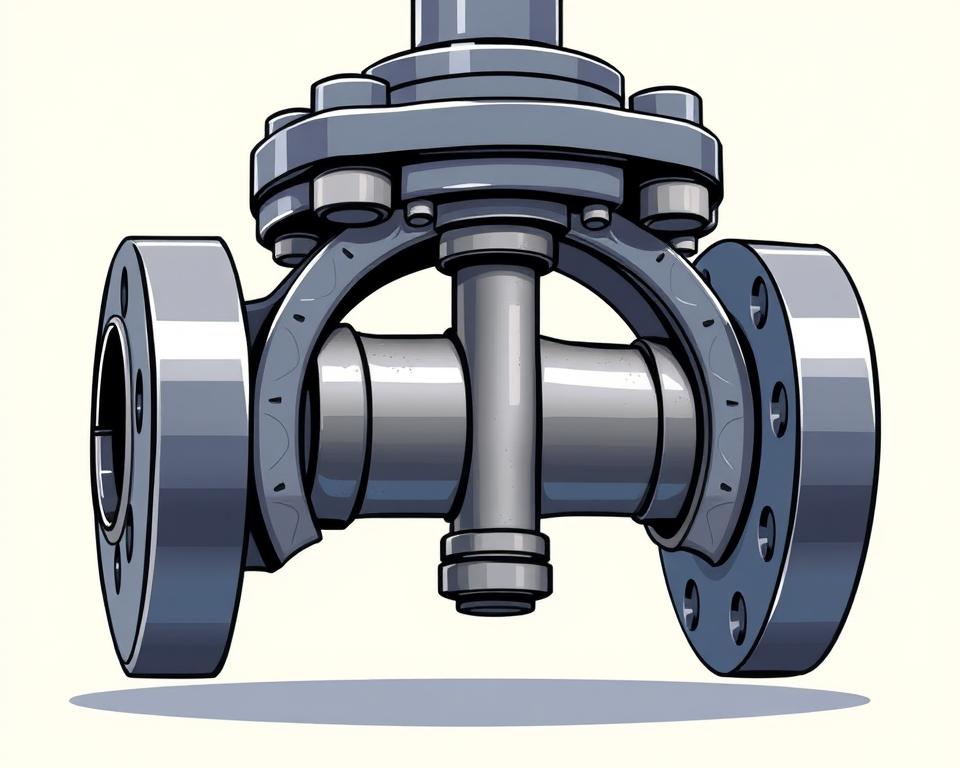
At Yaxing Valve, I manufacture and supply Cast Iron Gate Valve Manufacturer and stand behind their quality and service for U.S. clients. The range is designed for a long service life in municipal and light industrial water systems.

Each unit pairs a sturdy iron body with a machined wedge track and easy handwheel control. That means reliable shutoff, easy upkeep, and predictable performance in mechanical rooms, fire loops, and distribution networks.

I support specifiers with fast submittals and transparent details: sizes, connection types, pressure classes, and optional accessories. We retain cart and preference data (cookies) to make reorders simple.

When you want a practical replacement or budget-smart choice for new work, compare these cast-iron gate valve advantages against your current hardware to see lifecycle value and real-world fit.

Why I Trust Yaxing Valve Cast Iron Gate Valves for Reliable Flow Control

I personally review each product at Yaxing Valve, allowing confident recommendations for tough U.S. sites.

Rugged cast-iron body engineered for industrial performance

Each unit uses a robust cast-iron body to resist deformation under load. Precision machining with metal-to-metal seating provides tight shutoff at critical moments.

Cast Iron Gate Valve Manufacturer

Flow-optimized design with minimal pressure loss

A streamlined flow path cuts turbulence and pressure drop. This helps pumps operate efficiently while reducing energy consumption.

  • I validate product dimensions and testing to align with common ANSI standards and internal checks.
  • I finish stem, wedge, and bonnet interfaces to cut friction and keep handwheel torque steady over years of use.
  • I balance body thickness for durability and installer-friendly weight.
  • Support docs include tests and standards to help procurement finalize quickly.
Key Feature Primary Benefit Tech Note
Cast iron body Strong structural integrity Stable geometry targets met
Optimized gate geometry Lower pressure loss Supports pump efficiency
Stem & handwheel finish Smoother operation Stable torque for extended life
Spec documentation Faster spec approval Reports aligned to ANSI

Cast Iron Gate Valves—Materials, Design Details, and Key Performance

I outline the body, sealing, and stem choices to make selection and ordering straightforward.

Materials: body, bonnet, and wedge

The material stack includes a cast-iron body/bonnet, a precision-machined wedge, and metal-to-metal seating for dependable shutoff in water service and general industry.

Stem and Handwheel Options

Non-rising stems and inside-screw stems are available for tight spaces. Every thread form and packing scheme is listed in the product details.

Performance Envelope and Standards

I publish qualified pressure and temperature ranges and align end connections to common ANSI standards to help engineers confirm fit without additional drawings.

  • Handwheel and stem interface tuned for steady torque.
  • Smooth internal geometry reduces headloss.
  • Series identifiers and submittal-ready specs speed ordering and approvals.
Component Construction Rated Limit Remarks
Valve body/bonnet Cast iron 150 psi ANSI flange dimensions, welded/bolted options
Valve wedge Machined metal −20° to 180°F service Metal seat with low-loss finish
Valve stem Compact NRS/inside-screw Not pressure rated Threads/packing documented
Model series YX-100 and YX-200 2–12 inch range Simple part numbering

Modern Applications, Install, and Operation

I help contractors and owners place these valves where they perform best in modern loops. The goal is straightforward selection, installation, and checks so crews wrap up commissioning with no call-backs.

Use cases: waterworks, building systems, general industry

Use a full-bore unit where low restriction matters — long mains, service feeds, and bypass lines benefit the most.

In mechanical rooms and industrial loops, I prefer non-rising stem or inside-screw designs when vertical space is tight.

Install best practices

During handling, protect the body, lift at rated points, and avoid stressing flanges. Verify end alignment before final torque to avoid leaks and distortion.

Choose media-compatible gaskets, use a cross-torque sequence, and provide supports to prevent sag.

Operation and maintenance notes

Set the handwheel for comfortable access and verify free stem/handwheel movement after packing adjustments.

Schedule torque checks under pressure, inspect wedge and packing, and confirm operating range versus the media. Record tag numbers in your maintenance account and link CMMS work orders.

Topic Recommended Action Timing Benefit
Application mapping Select full-bore for mains; non-rising for tight spaces Planning Reduced headloss and saved space
Handling & installation Lift at rated points, align ends, cross-torque Installation Prevents leaks and flange distortion
Commissioning checks Verify handwheel feel; test under pressure Startup and routine Stable operation with reliable shutoff
Maintenance records Tag units and connect to CMMS/account Throughout lifecycle Quicker parts tracking/replacement

Good handling and careful commissioning prolong service life and keep Resilient Seated Gate Valve in top shape.

Specify the Right Iron Gate Valve with Me at Yaxing Valve

Send line size, pressure, and flow targets so I can match the right series/type to your duty and temperature envelope.

A short checklist helps submittals pass first review: ends, inside-screw or non-rising choice, handwheel orientation. I record stem/handwheel and screw details to guide installation.

See the gallery for high-res images and layout views that show clearance and operator reach. Make an account to save specs, tag valves, and link drawings plus a one-page field PDF.

Reach out for a quick quote—I’ll confirm stock, lead times, series alternatives, and help you finish the order while you review the gallery. I use cookies only to keep your account session and cart ready.

Prototype CNC Machining for Rehabilitation Devices

CNC Prototype Machining: Rapid Prototyping Solutions

Did you know over 40% of product engineering teams slash release schedules by 50% using faster prototype workflows that reflect production?

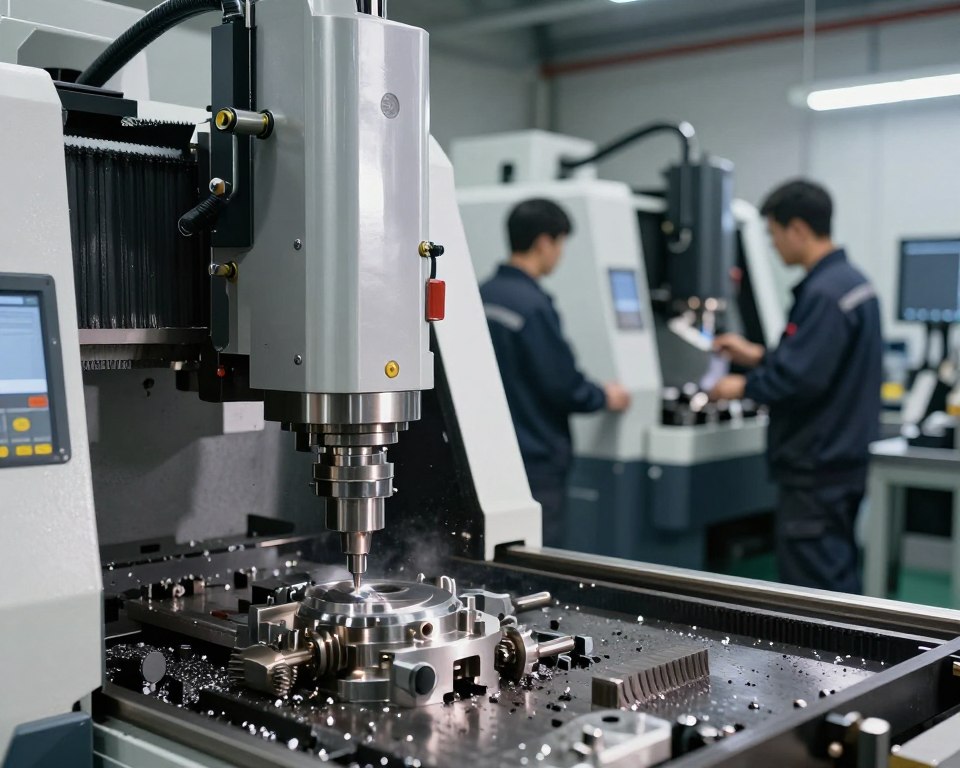
UYEE Prototype offers a United States–focused capability that speeds design validation with immediate price quoting, auto DfM checks, and shipment tracking. Buyers can get components with an typical lead time down to two days, so teams check form/fit/function before tooling for titanium machining.

The offering includes multi-axis CNC milling and high-precision turning plus sheet metal, SLA 3D printing, and rapid injection molding. Post-processing and finishing arrive integrated, so components arrive ready to test or investor demos.

This process minimizes friction from model upload to finished parts. Wide material choices and manufacturing-relevant quality enable engineers to run reliable mechanical tests while holding schedules and costs predictable.

  • UYEE Prototype caters to U.S. customers with fast, manufacturing-like prototyping solutions.
  • Instant quotes and automatic DfM accelerate go/no-go choices.
  • Common turnaround can be as short as two days for most orders.
  • Intricate designs handled through 3–5 axis milling and precision turning.
  • >>Integrated post-processing delivers parts ready for demo or testing.

Precision Prototype CNC Machining Services by UYEE Prototype

A responsive team and turnkey workflow makes UYEE Prototype a reliable partner for accurate prototype builds.

UYEE Prototype provides a clear, end-to-end services path from CAD upload to finished parts. The system allows Upload + Analyze for on-the-spot quotes, Pay & Manufacture with secure checkout, and Receive + Review via online tracking.

The experienced team guides DfM, material selection, tolerance planning, and finishing plans. Advanced CNC machines and process controls deliver consistent accuracy so trial builds meet both performance and appearance targets.

Engineering teams gain integrated engineering feedback, scheduling, quality checks, and logistics in one streamlined workflow. Daily factory updates and active schedule control prioritize on-time delivery.

titanium machining

  • Single-vendor delivery: single source for quoting, production, and delivery.
  • Reliable repeatability: documented checkpoints and SOPs drive consistent results.
  • Flexible scaling: from one-off POC parts to multi-piece batches for system tests.

Prototype CNC Machining

Quick, production-relevant machined parts remove weeks from R&D plans and reveal design risks early.

CNC prototypes accelerate iteration by avoiding extended tooling waits. Engineers can order low quantities and verify form, fit, and function in a few days instead of months. This compresses schedules and minimizes downstream surprises before full manufacturing.

  • Faster iteration: bypass tooling waits and confirm engineering decisions earlier.
  • Mechanical testing: machined parts offer tight tolerances and stable material properties for stress and thermal tests.
  • Additive vs machined: additive is fast for concept models but can show anisotropy or lower strength in rigorous tests.
  • Injection trade-offs: injection and molded runs make sense at volume, but tooling cost often penalizes early stages.
  • Best fit: high-precision fit checks, assemblies needing exact feature relationships, and repeatable A/B comparisons.

UYEE Prototype advises on the right approach for each stage, balancing time, budget, and fidelity to reduce production risk and advance key milestones.

CNC Capabilities Optimized for Quick-Turn Prototypes

Advanced milling centers and precision turning cells let teams turn complex designs into testable parts at speed.

3-, 4-, and full 5-axis milling for intricate shapes

UYEE runs 3-, 4-, and full 5-axis milling centers that support undercuts, compound angles, and sculpted surfaces for enclosures and mechanisms.

Multi-axis milling reduces setups and preserves feature relationships aligned with the original datum strategy.

Precision turning augments milling for concentric features, thread forms, and bores used in shafts, bushings, and fittings.

Deburring, edge-breaking, and secondary finishing ensure parts are safe to handle and ready for tests.

Tight tolerances and surface accuracy for functional testing

Toolpath strategies and refined cutting parameters trade off speed with dimensional accuracy.

Machine selection and advanced medical device prototyping fixturing increase repeatability across multiple units so test data stays reliable.

UYEE aligns tolerances to the test objective, prioritizing the features that control function and assembly performance.

Capability Benefit When to use
3-axis Fast roughing and simple parts Basic enclosures
4-/5-axis Complex surfacing Complex enclosures, internal features
Turning Concentric accuracy for shafts Shafts, bushings, threaded components

From CAD to Part: Our Streamlined Process

A cohesive, end-to-end workflow turns your CAD into ready-to-test parts while minimizing wait time and rework. UYEE Prototype handles every step—quote, DfM, build, and delivery—so your project stays on schedule.

Upload and analyze

Upload a CAD file and obtain an instant quote plus manufacturability highlights. The system highlights tool access, thin walls, and tolerance risks so designers can address issues pre-build.

Pay and manufacture

Secure checkout confirms payment and locks an immediate schedule. Many orders move into production quickly, with average lead time as fast as two days for common prototype builds.

Receive and review

Online tracking provides build status, shipping estimates, and inspection reports. Teams centralize quotes, drawings, and notes in one place to speed internal approvals and keep stakeholders aligned.

  • One workflow for single or multi-variant runs makes comparison testing efficient.
  • Automated DfM cuts rework by catching common issues early.
  • Live status improve visibility and enhance project predictability.
Step What happens Benefit
Upload & Analyze Instant pricing and automated DfM report Quicker iteration, reduced rework
Pay + Manufacture Secure checkout and immediate scheduling Short lead times; average 2 days for many orders
Receive + Review Online tracking, documentation, team sharing Predictable delivery and audit trail

Materials for Prototyping That Mirror Production

A materials strategy that aligns with production grades helps teams trust test results and speeds progress.

UYEE procures a wide portfolio of metals and engineering plastics so parts track with final production. That alignment supports reliable mechanical and thermal evaluations.

Metals for strength, corrosion, and heat

Available metals include Aluminum 6061/7075/5052 for lightweight structures, stainless 304/316/316L for corrosion resistance, brass C360, copper C110, titanium Gr5, mild and alloy steels, and a range of hardened tool steels and spring steel for high-load uses.

Plastics for impact, clarity, and high temp

Plastics offered include ABS (and FR), PC, Nylon 6/12, POM, PP, PE, PMMA, PTFE, PEEK, PVC, FR4, and TPU. Choices span impact resistance, transparency, chemical stability, and heat deflection.

How material choice affects tests

Matching prototype CNC machining material grade boosts tolerance holding and surface quality, so fit and finish results reflect production reality. Tough alloys or filled polymers may affect achievable cosmetic finish and machining marks.

Category Example Grades When to Use
Light metal Al 6061 / 7075 Structural, lightweight parts
Corrosion resistance SS 304 / 316L Moisture-prone areas
High-performance Titanium Gr5 / Tool steels Severe duty
Engineering plastics PC, PEEK, Nylon Impact, clarity, high temp

UYEE works with you to optimize machinability, cost, lead time, and downstream finishing to select the best material for representative results.

Surface Finishes and Aesthetics for Production-Like Prototypes

Selecting an appropriate finish turns raw metal into parts that look and perform like production.

Baseline finishes offer a fast route to functional testing or a polished demo. Standard as-milled preserves accuracy and speed. Bead blast provides a consistent matte, and Brushed finishes add directional grain for a refined, functional look.

Anodizing boosts hardness and corrosion resistance and can be dyed for color. Black oxide reduces reflectivity and provides mild protection. Electrically conductive oxidation preserves electrical continuity where grounding or EMI paths are needed.

Presentation painting and color

Spray painting offers matte and gloss options plus Pantone matching for brand fidelity. Painted parts can approximate final color and feel for stakeholder reviews and investor demos.

  • Finish choice affects perceived quality and helps simulate production cosmetics.
  • Achievable surface quality is influenced by base metal, toolpath, and handling sensitivity.
  • UYEE Prototype supports a range of finishing paths—from rugged textures for test articles to show-ready coatings for demos.
Finish Benefit When to Use
As-milled Fast, accurate Functional tests
Bead blast / Brushed Matte uniformity / directional aesthetics Aesthetic surfaces
Anodize / Black oxide Corrosion resistance / low shine Customer-facing metal

Quality Assurance That Meets Your Requirements

Documented QA/QC systems lock in traceability and results so teams can rely on test data and schedules.

ISO-aligned controls, first article compliance, CoC and material traceability

ISO-aligned procedures guide incoming material verification, in-process inspections, and final acceptance to meet stated requirements. Documented controls limit variance and support repeatable outcomes across batches.

First Article Inspection (FAI) services helps establish a dimensional baseline for critical builds before additional units proceed. Measurement strategies include CMM reports, calibrated gauges, and targeted feature checks to preserve precision and accuracy where it is critical.

Certificates of Conformance and material traceability are provided on request to serve regulated manufacturing and procurement needs. Material and process trace logs record origin, heat numbers, and processing steps for audit readiness.

  • Quality plans are tailored to part function and risk, balancing rigor and lead time.
  • Documented processes increase consistency and reduce variability in test outcomes.
  • Predictable logistics and monitored deliveries maintain schedule adherence.

Intellectual Property Protection You Can Count On

Security for sensitive designs begins at onboarding and extends through every production step.

UYEE implements contractual safeguards and NDAs to hold CAD files, drawings, and specs confidential. Agreements set handling, retention, and permitted use so your development work remains protected.

Controlled data handling methods lower risk. Role-based access, audit logs, and file traceability record who accessed or edited designs during quoting, manufacturing, and shipping.

Strict onboarding and data controls

Vendors and staff complete strict onboarding with contractual obligations and training on confidentiality. Background checks and defined access limits align teams to protection methods.

  • Secure file transfer and encrypted storage for additive-ready and machining-ready files.
  • Traceable change history and signed NDAs for all external partners.
  • Documented processes that govern quoting, production, inspection, and logistics.
Control How it protects IP When it applies
NDAs & contracts Define legal obligations and remedies Project start to finish
Access controls Limit file access and log activity Quoting, CAM prep, manufacturing
Encrypted transfer & storage Protect files in transit and at rest Uploading, sharing, archival
Trained team Ensures consistent handling across projects Every phase

Industry Applications: Validated Across Demanding Use Cases

High-stakes programs in medicine, aerospace, and defense need accurate parts for valid test results.

Medical and dental teams employ machined parts for orthotics, safe enclosures, and research fixtures that require tight tolerances.

Precise metal selection and controlled finishes mitigate risk in clinical tests and regulatory checks.

Automotive

Automotive applications include fit/function interiors, brackets, and under-hood components exposed to heat and vibration.

Rapid cycles enable assembly validation and service life before committing to production tooling.

Aerospace and aviation

Aerospace demands accurate manifolds, bushings, and airfoil-related parts where small deviations affect airflow and safety.

Inspection plans center on critical dimensions and material traceability for flight-worthiness evaluation.

Defense and industrial

Defense and industrial customers need durable communication components, tooling, and machine interfaces that hold up under stress.

UYEE Prototype adapts finish and inspection scope to meet rugged operational demands and procurement standards.

Consumer electronics and robotics

Consumer electronics and robotics need fine features, cosmetic surfaces, and precise mechanisms for smooth assembly and user experience.

Short runs of CNC machined parts speed design validation and help teams refine production intent before scaling.

  • Industry experience anticipates risk and guides pragmatic test plans.
  • Material, finish, and inspection are tuned to each sector’s operating and compliance needs.
  • UYEE Prototype serves medical, automotive, aerospace, defense/industrial, consumer electronics, and robotics customers across the U.S.
Industry Typical applications Key considerations
Medical & Dental Orthotics, enclosures, fixtures Tight tolerances, biocompatible finishes
Automotive Brackets, fit checks, under-hood parts Heat, vibration, material durability
Aerospace Manifolds, bushings, flight components Dimensional accuracy, traceability
Consumer & Robotics Housings, precision mechanisms Cosmetic finish, fine features

Design for Machining: Prototyping Guidelines

A DfM-first approach focuses on tool access, rigid features, and tolerances that meet test goals.

Automated DfM feedback at upload identifies tool access, wall thickness, and other risks so you can refine the 3D model pre-build. UYEE aligns multi-axis selection to the geometry rather than forcing a 3-axis setup to approximate a 5-axis method.

Geometry, tool access, and feature sizing for 3–5 axis

Keep walls appropriately thick and features within cutter reach. Minimum wall thickness varies by material, but designing wider webs cuts chatter and tool deflection.

Use radiused fillets at internal corners to allow proper cutter engagement. Deep, small pockets should be designed with ramped entries or multiple setups in mind.

Tolerance planning for appearance vs functional parts

Separate cosmetic and functional tolerances upfront. Tight form tolerances belong on critical interfaces. Looser cosmetic limits reduce cycle time and reduce cost.

Define datum schemes and tolerance stacks for assemblies and kinematic mechanisms. Document measurement plans for critical features so acceptance criteria are clear before the first run.

  • Set minimum wall thickness, feature depths, and fillets to improve tool access and stability.
  • Use 5-axis when feature relationships or undercuts need single-setup accuracy; choose simple fixturing when speed matters.
  • Specify best practices for threads, countersinks, and small holes to limit deflection and deliver repeatable quality.
  • Early DfM reviews cut redesign and accelerate prototyping iterations.
Focus Design Rule Benefit
Wall & Fillet Wider webs, radiused corners Reduced deflection, better surface finish
Setups Prefer 5-axis for complex relations Fewer fixtures, preserved geometry
Tolerances Functional vs cosmetic Cost control, faster cycles

Speed to Market: Lead Times and Low-Volume Runs

Rapid builds tighten timelines so engineers can advance from idea to test faster.

UYEE offers rapid prototyping with average lead times as fast as two days. Rapid scheduling and standardized setups cut lead time for urgent EVT and DVT builds.

Low-volume runs bridge to pilot production and enable assembly testing or limited market trials. Short-run parts keep the same inspection, documentation, and traceability as one-off parts.

Teams can reorder or revise parts quickly as development learning builds. Tactical use of CNC allows deferring expensive tooling until the design matures, minimizing sunk cost.

Consistent delivery cadence aligns test plans, firmware updates, and supplier readiness so programs stay on schedule.

Attribute Typical Range When to Use
Lead time 1–5 days (avg 2 days) Urgent engineering builds
Run size 1–200 units Validation, pilot trials
Quality & docs FAI, CoC, inspection reports Regulated tests, production handoff
Flexibility Fast reorders, design revisions Iteration-driven development

CNC vs Injection Molding and 3D Printing for Prototypes

Picking the right method can save weeks and budget when you move from concept to test parts.

Low quantities force a practical decision: avoid long waits or invest in tooling for lower unit cost. For many low-quantity runs, machined parts beat molds on schedule and upfront cost. Printing is fastest for concept visuals and complex internal lattices, but may not match mechanical performance.

Cost, time, and fidelity trade-offs at low quantities

Injection molding demands tooling that can take months and thousands in cost. That makes it uneconomical for small lots.

Machined parts avoid tooling fees and often deliver better dimensional control and stronger bulk properties than many printed parts. Chips from metal removal are reclaimed to minimize scrap.

  • Time: printing for hours to days; machining for days; injection may take weeks to months.
  • Cost: low unit counts favor machining or printing; molding only pays off at volume.
  • Fidelity: machining delivers consistent tolerances and surface finish; printing can show layer anisotropy and layer artifacts.

When to bridge from CNC prototypes to molding

Plan a bridge to injection when the design is stable, tolerances are locked, and material choice is locked. Use machined parts to prove fit, function, and assembly before tooling up.

Early DfM learnings from machined runs cut mold changes and improve first-off success. Right-size raw stock, nest efficiently, and recycle chips to improve sustainability during the transition.

Attribute Best for Notes
Printing Ultra-fast concepts, complex lattices Low strength; good for visual and some functional tests
Machining Small lots, tight tolerances, mechanical tests Avoids tooling; recyclability reduces waste
Injection High-volume production High upfront tooling; lowest unit cost at scale

Beyond CNC: Additional On-Demand Manufacturing

Modern development benefits from a suite of on-demand methods that match each milestone.

UYEE Prototype augments its offering with sheet metal, high-accuracy 3D printing, and rapid injection molding to cover the full range of development needs.

Sheet metal fabrication uses laser cutting and bending for fast flat-pattern iterations. It is ideal for enclosures and brackets with formed features that are difficult or costly to mill.

3D printing and SLA

SLA printing delivers smooth surfaces and fine detail for concept models and complex internal geometries. It enables speedy visual checks and fit trials before moving to harder materials.

Rapid injection molding

Rapid tooling, family molds, and multi-cavity options enable bridging to higher volumes once designs are stable. Overmolding can add soft-touch or bonded layers in the same run.

Multi-process programs often combine CNC parts with printed components or sheet metal to speed subsystem integration. Material and process selection focus on validation goals, schedule, and budget.

  • Sheet metal: fast iterations for formed parts and brackets.
  • SLA printing: high-accuracy surfaces and internal detail.
  • Rapid molding: cost-effective bridge when volumes justify tooling.
Method Best use Key benefit
Sheet metal Enclosures, brackets Fast flat-pattern changes
SLA printing Concept and internal features Smooth finish, fine detail
Rapid molding Bridge volumes Production-like parts, repeatability

Get an Immediate Quote and Begin Now

Upload your design and receive immediate pricing plus actionable DfM feedback to cut costly revisions.

Upload files for guaranteed pricing and DfM insights

Send CAD files and receive an instant, guaranteed quote with automated DfM that flags tool access, thin walls, and tolerance risks.

The platform secures pricing and schedule so your project can move into production planning without delay.

Work with our skilled team for prototypes that match production intent

Our team collaborates on tolerances, finishes, and materials to align builds with final intent.

UYEE handles processes from scheduling through inspection and shipment, reducing vendor overhead and keeping every step transparent.

  • Upload CAD for guaranteed pricing and fast DfM feedback to reduce risk.
  • Collaborative reviews align tolerances and finishes to the product goal.
  • Secure payments, online tracking, and transparent updates maintain visibility through delivery.
What Benefit When
Instant quote Guaranteed pricing Start project fast
DfM report Fewer revisions Design validation
Order tracking Full visibility On-time delivery

Start today to shorten lead times and get production-intent, CNC machining work, including precision-machined and machined parts that support stakeholder reviews and performance tests.

To Summarize

Bridge development gaps by using a single supplier that marries multi-axis capabilities with fast lead times and documented quality.

UYEE Prototype’s ecosystem of CNC equipment, materials, and finishes supports rapid prototyping with production-grade fidelity. Teams get access to multi-axis milling, turning, and a broad material set to match test objectives.

Choosing machining for functional work provides tight tolerances, predictable material performance, and repeatable results across units. That consistency improves test confidence and speeds the move to production.

The end-to-end workflow—from instant quote and automated DfM to Pay & Manufacture and tracked shipment—keeps schedule risk low. Robust quality artifacts like FAI, CoC, and traceability preserve measurement discipline and surface outcomes.

Options across CNC, printing, and injection molding let you pick the right method at each stage. Start your next project now to get instant pricing, expert guidance, and reliable delivery that reduces time-to-market.

Related: CNC Precision Machining Workflow

FTTH Cable Production Line Quality Assurance

High-Performance Fiber-to-the-Home Fiber Cable Fabrication Line Apparatus Packages

Have you ever wondered the impact of high-speed internet cable demand on FTTH cable production technology? With our need for high-speed, reliable connectivity intensifying, industry leaders like HONG KAI and Nextrom are revolutionizing production. They are introducing next-generation cable equipment to enhance production efficiency. Not only does this shift reduce operational costs but also upgrades high-speed internet cable quality, satisfying today’s market standards.

Here, we’ll explore the groundbreaking equipment and methods transforming Fiber cable sheathing line manufacturing. Learn about how these innovations are poised to revolutionize the fiber optic sector.

Essential Conclusions

  • Understanding the importance of FTTH cable production line equipment in high-speed internet access.
  • Examining the significant role of companies like HONG KAI and Nextrom in driving technology innovation.
  • Learning the benefits of adopting advanced cable equipment in manufacturing processes.
  • Recognizing how improved cable quality is essential for meeting consumer demands.
  • Appreciating the importance of production efficiency in a competitive market.

Grasping FTTH Cable Production Line Technology

The creation of fiber optic cables, primarily for FTTH technology, involves a intricate blend of state-of-the-art tools and exact methods. Contemporary production of these cables includes various components that improve efficiency and quality. Understanding these parts illuminates the progress toward next-level production systems.

Core Components of Contemporary Fiber Optic Cable Manufacturing

Current fiber optic cable making includes:

  • Extruder systems for coating and insulating fibers
  • Fiber tension control mechanisms to preserve optimal fiber quality
  • Automated operations that simplify production processes

These elements work together to produce a dependable and durable product. For instance, state-of-the-art temperature control systems ensure consistent conditions. Automated adjustments also minimize human error.

Evolution from Traditional to Advanced Production Systems

The shift from legacy to advanced systems represents a major leap in technology and methods. Earlier, manual methods have been superseded by robotic systems. This change has resulted in:

  1. Higher productivity and reduced production times
  2. Reduced waste due to precise material handling
  3. Better product quality thanks to tighter quality control

Key Technologies Driving Industry Innovation

Several key technologies are propelling innovation in the fiber optic field. These include:

  • Precision temperature control that monitors and maintains optimal production conditions
  • Automatic settings that adapt to changing production requirements
  • Advanced monitoring systems offering real-time feedback on production quality

Thanks to these technologies, manufacturers can guarantee their fiber optic products meet the stringent standards required for FTTH applications.

Essential Equipment for Fiber Secondary Coating Line Operations

In the realm of fiber optic cable manufacturing, the fiber secondary coating line is crucial. It protects fiber optics through efficient coating processes. With technology evolving, having the latest equipment is critical for optimal production and reliability.

High-Speed Secondary Coating Processes

Advances in secondary coating processes have significantly improved manufacturing efficiency. Modern systems can now handle increased volumes, meeting rising demand. They apply coatings that boost durability and performance, resulting in superior fiber cable products.

Single and Dual Layer Coating Applications

It’s important to differentiate between single and dual layer coatings in the fiber secondary coating line. Single-layer coatings offer basic protection, while dual-layer coatings add extra resistance to environmental stressors. Both methods use high-speed processes for even coating application, guaranteeing fiber optics perform longer in various conditions.

Temperature Control and Curing Systems

Temperature control systems are vital for curing coatings during production. They ensure the right conditions for adhesive substances in the fiber secondary coating line. Proper temperature management allows for perfect curing times and conditions, resulting in enhanced quality fibers ready for real-world use.

Fiber Draw Tower and Optical Preform Processing

The fiber draw tower is crucial in optical preform processing and cable manufacturing. It pulls the preform into thin fiber strands, ensuring superior fibers with excellent clarity and strength. The tower’s environment is strictly controlled to achieve precise dimensions and physical properties.

Optical preforms serve as the foundation of this process, defining the fiber’s final characteristics. The preform’s quality affects light transmission and durability. Advances in preform manufacturing have improved fiber draw tower manufacturing efficiency.

Through advanced engineering and technology, the fiber draw tower and preform processing constantly evolve, meeting the growing demand for high-performance fiber optic cables. Quality at the preform level translates to better fiber optics, enhancing telecommunications and networking services.

Advanced SZ Stranding Line Technology for Cable Assembly

The SZ stranding line technology represents a major advancement in cable assembly, especially for fiber optic cables. It ensures precise stranding, vital for crafting top-tier cables that adhere to strict standards.

Precision Stranding Equipment Features

The core of the SZ stranding line is its precision stranding equipment, which enhances cable durability and reliability. Its key attributes include:

  • Advanced control systems that fine-tune settings in real-time for peak performance.
  • High-speed operation that improves production efficiency.
  • Modular design for customization based on production needs.

Automated Tension Control Systems

Automated tension control systems are essential for maintaining consistency in stranding. They:

  • Ensure uniform fiber tension and strength distribution along the cable.
  • Lower defect rates, cutting down on waste and production costs.
  • Allow seamless integration of diverse materials, improving flexibility and performance.

Integration with Fiber Cable Sheathing Line

Integrating the SZ stranding line with the fiber cable sheathing line enhances production efficiency. This synergy allows for:

  • Efficient workflows by reducing manual intervention.
  • Consistent quality throughout the manufacturing process.
  • Higher throughput, addressing the growing need for superior cables.

Fiber Coloring Machine and Identification Systems

The fiber coloring machine is essential in telecom fiber cable production. It guarantees each cable is identifiable and meets color coding standards. Advanced technology enables quick and precise color application, boosting manufacturing efficiency.

High-Speed Coloring Technology

State-of-the-art machines use high-speed technology for uniform and fast color application. This reduces production time without compromising quality. The machines’ precision secures accurate color application, aiding adherence to strict color coding standards, essential for smooth installation and maintenance.

Color Coding Standards for Telecom Fiber Cables

Color coding standards guide manufacturers and technicians in the telecom industry. They systematize fibers for easy identification, minimizing installation and troubleshooting errors. Each color represents a specific function or fiber type, ensuring clarity in complex networks.

Following these standards, enabled by fiber coloring machines, improves safety and efficiency—a pillar of telecom operations.

Quality Control in Fiber Identification

Quality control is critical in fiber identification systems to satisfy market standards. Regular inspections during production check color accuracy and coding adherence. Advanced traceability systems trace fibers, boosting product reliability.

This methodical quality control approach yields superior telecom fiber cable performance, satisfying both manufacturers and end users.

Specialized Solutions for Fibers in Metal Tube Production

The production of fibers in metal tubes is a specialized domain in modern cable solutions. This method enhances durability and environmental resistance of optical cables, rendering them ideal for harsh conditions. Expert techniques envelop fibers in metal, shielding them from damage and extreme environments.

In outdoor settings, where cables face tough elements, these solutions prove their worth. Manufacturers have engineered advanced methods to strengthen and ensure cable reliability, meeting the growing demand for durable communication systems. Precision SZ stranding line engineering and high-quality materials are integral in this process.

Employing specialized manufacturing methods ensures cables remain intact and reliable across industries. Companies emphasize innovative designs and robust materials to create top-tier optical cables for diverse environments and applications.

Fiber Ribbon Line and Compact Fiber Unit Manufacturing

The creation of fiber ribbons and compact fiber units is critical for modern telecommunication networks. This section explores the latest equipment and designs for these essential components. Innovators aim to meet the rising demand for high-density cable solutions in data centers.

Advanced Fiber Ribbon Line Equipment

Cutting-edge fiber ribbon line equipment allows efficient production of high-quality optical fibers. It integrates the latest technology to produce compact fiber units with top performance, minimizing waste and improving throughput to suit various needs.

Compact Fiber Unit Design and Production

Compact fiber units are designed for space efficiency without sacrificing performance. Innovative methods form these units for straightforward installation in diverse settings. These units are indispensable for data centers, addressing the need for dense cables that save space and accelerate data transfer.

High-Density Cable Solutions for Data Centers

High-density cable solutions are critical for modern data centers, allowing faster data transfer and greater bandwidth. These solutions often incorporate fiber ribbons, produced through advanced processes. As data usage surges, these cables underpin robust infrastructure to meet today’s digital demands.

Optimizing High-Speed Internet Cables Production

Efficient production of high-speed internet cables is fundamental for today’s networks. The quality of FTTH cabling systems drives reliable connections. Advanced manufacturing aims to boost performance while maintaining high standards.

Cabling Systems for FTTH Applications

FTTH cabling systems include designs that improve signal transmission and cable longevity. They utilize premium materials and innovative engineering to deliver fast, dependable internet for users.

Quality Assurance in Fiber Pulling Process

The fiber pulling process is pivotal in cable production, requiring precise attention. Quality checks prevent damage and maintain signal integrity. Integrated monitoring systems guarantee cable reliability and facilitate seamless installation.

Meeting Industry Standards for Optical Fiber Drawing

Adhering to industry standards in optical fiber drawing is crucial for manufacturers. It secures production safety and cable reliability. Improving techniques and materials helps comply with these standards, resulting in superior cabling systems.

In Summary

The evolution of FTTH cable production lines has revolutionized telecommunications, allowing manufacturers to produce high-quality, reliable cables for modern internet demands. As technology progresses, adopting advanced manufacturing solutions is paramount to enhance production efficiency while upholding top standards.

With the ever-increasing need for strong infrastructure, companies must adopt innovative methods in their FTTH cable production. These advanced approaches enhance cable reliability and promote sustainable manufacturing in the fiber optic sector.

To stay competitive in the fiber optic cable industry, embracing these advanced solutions is imperative. The future of cable production hinges on such innovations, ensuring telecommunications infrastructure can handle the growing global internet demands.

Related: Energy Consumption Monitoring and Reduction on Sheathing Lines

How to Optimize Your Cosmetic Bag Website for Conversions

Cosmetic Bag Manufacturer: Custom Bags for Beauty

By 2025, the worldwide cosmetic bag market will reach $5 billion. Such growth reflects a strong taste for chic, practical beauty-product carriers. As a top cosmetic bag manufacturer, we aim to create custom designs that enchant users and satisfy real-world requirements. We collaborate closely with brands to develop premium, custom custom cosmetic bag embodying each brand’s identity

Core Lessons

  • Market forecasts show $5 billion in cosmetic bag sales by 2025
  • Personalized beauty bags match exact brand and user requirements
  • Personalized beauty bag manufacturers focus on quality and design
  • Collaboration with manufacturers helps brands establish their unique identity
  • Functionality and aesthetics are key components of successful cosmetic bags

What a Cosmetic Bag Manufacturer Does

The cosmetic bag manufacturer is a key player in the beauty industry. They act as a bridge between product creators and consumers. These manufacturers specialize in creating custom cosmetic bags that meet the specific needs of beauty brands. They guarantee every bag matches brand style and practical needs.

In today’s competitive market, a well-designed cosmetic bag is vital. It holds beauty essentials and doubles as a promotional asset. A premium bag enhances product allure and solidifies brand image.

cosmetic bag manufacturer

Knowing industry hurdles helps manufacturers innovate effectively. Options span materials, styles, and dimensions. Picking the ideal maker is vital for thriving in a dynamic market.

Available Custom Bag Styles

Cosmetic bag manufacturers offer a wide variety of custom bags to suit different needs. Custom PVC cosmetic bags stand out for their durability and water resistance. They are perfect for storing liquids and beauty products. And they clean easily for added convenience.

Velvet beauty bags add a luxurious, elegant flair. Velvet’s plush feel lends refined style. This appeals to those who value finer details and seek to improve their brand image.

Understanding bag options aids brands in selecting wisely. A well-chosen bag elevates brand presence and satisfies user tastes.

Why Pick Custom Cosmetic Bags

Custom cosmetic bags offer significant advantages for brands in the beauty industry. They boost brand visibility by prominently displaying a logo. This makes them powerful marketing tools, leaving a lasting impression on customers.

Custom bag producers craft styles for diverse consumer preferences. Such tailoring allows brands to differentiate themselves. It encourages customers to choose products that reflect their personal style and needs.

Custom bags foster stronger customer loyalty. A well-made, attractive bag builds brand connection. This emotional connection can lead to repeat purchases and positive recommendations.

Working with a branded cosmetic case producer simplifies the creative process and ensures a professional finish. This collaboration helps brands share their story, strengthening their marketing efforts and making a lasting impact on their audience.

Selecting Materials for Custom Bags

Choosing the right materials for custom cosmetic bags is key to their appeal and functionality. Options include numerous fabrics to suit different tastes and trends. PVC bags stand out for toughness and waterproof qualities, perfect for everyday use.

The velvet cosmetic bag, on the other hand, offers elegance, appealing to a more premium audience. Velvet’s luxurious feel and sophisticated look are highly sought after by brands. Understanding these qualities helps brands align packaging with their identity.

Knowing PVC’s utility and velvet’s elegance guides brands to optimal decisions. Choosing wisely improves customer satisfaction and brand allegiance.

Production Capacity of a Leading Cosmetic Bag Manufacturer

Top bag makers boast high production volumes. Monthly output can exceed 90 000 units. Such volume lets brands scale orders with demand and seasons. Quality remains uncompromised.

They run factories spanning over 25 000 m². Plus, more than 200 trained staff. This setup ensures efficient production and high-quality bags that meet strict standards.

Being able to produce in such large quantities makes this manufacturer a reliable partner. They help businesses grow their product lines while keeping customer satisfaction high.

OEM & ODM Offerings

OEM and ODM are vital for brands seeking distinctive beauty bags. These services allow for close collaboration with manufacturers, ensuring specific needs and designs are met. OEM services help brands create products that reflect their unique identity while maintaining quality. It fosters creativity and innovation, crucial for standing out.

ODM services offer complete design solutions, keeping up with trends and consumer demands. Brands leverage seasoned designers familiar with market shifts. They bring concepts to life, enhancing product lines and speeding development. Resulting in rapid launch and cost-effectiveness.

Choosing OEM and ODM services is a strategic move for brands aiming to strengthen their beauty market presence. Using such bespoke services, brands create unique bags resonating with consumers.

Service Type Description Benefits
OEM Services Customization of existing designs to fit brand requirements Unique branding, improved quality
ODM Services Complete design and manufacturing solutions Expert design, quicker launch
Tailored Solutions Personalized approaches based on brand vision Distinctive products, solid positioning

Ensuring Quality in Bag Making

Quality assurance is vital in custom PVC cosmetic bag. It guarantees all bags match or exceed industry benchmarks. They perform rigorous tests on strength, material rules, and visual excellence.

When choosing a cosmetic pouch supplier, brands must focus on those with strict quality checks. These checks help spot defects early, ensuring the final product reflects the brand’s quality commitment. Following production norms is essential to show reliability.

High-quality assurance practices build trust between suppliers, manufacturers, and clients. Commitment to quality yields elegant, functional, long-lasting bags.

Fast Fashion Impact on Bag Making

The cosmetic bag manufacturing industry has seen a significant shift with the emergence of fast fashion trends. Now, brands demand rapid design-to-production turnaround. Such speed requirements shape bag design and manufacturing.

Adaptability is vital for producers to match consumer shifts. Trends can shift rapidly, making it critical for manufacturers to stay ahead. Offering varied designs is essential. It enables brands to meet the needs of a broad audience looking for the newest beauty accessories.

Top bag producers must stay agile. This flexibility is not just about meeting demand but also about staying competitive in a crowded market. It’s a critical factor for success in the fast-paced world of fast fashion.

Collaborations with Top Brands

Collaborating with well-known brands can greatly improve a cosmetic bag manufacturer’s standing in the market. These partnerships showcase the manufacturer’s capabilities while linking with trusted names. That collaboration yields distinctive products aligned with market demand.

Engaging with famous brands increases visibility and offers valuable consumer insights. This exchange drives innovation, pushing manufacturers to keep up with changing tastes. Leveraging these brand ties, firms can lead the cosmetic bag sector.

Exploring the Custom Makeup Bag Factory

Visiting a custom makeup bag factory offers a unique inside look at the detailed manufacturing process. Every step—from design draft to assembly—is vital for top-tier products. Brands must grasp factory operations when seeking manufacturing partners.

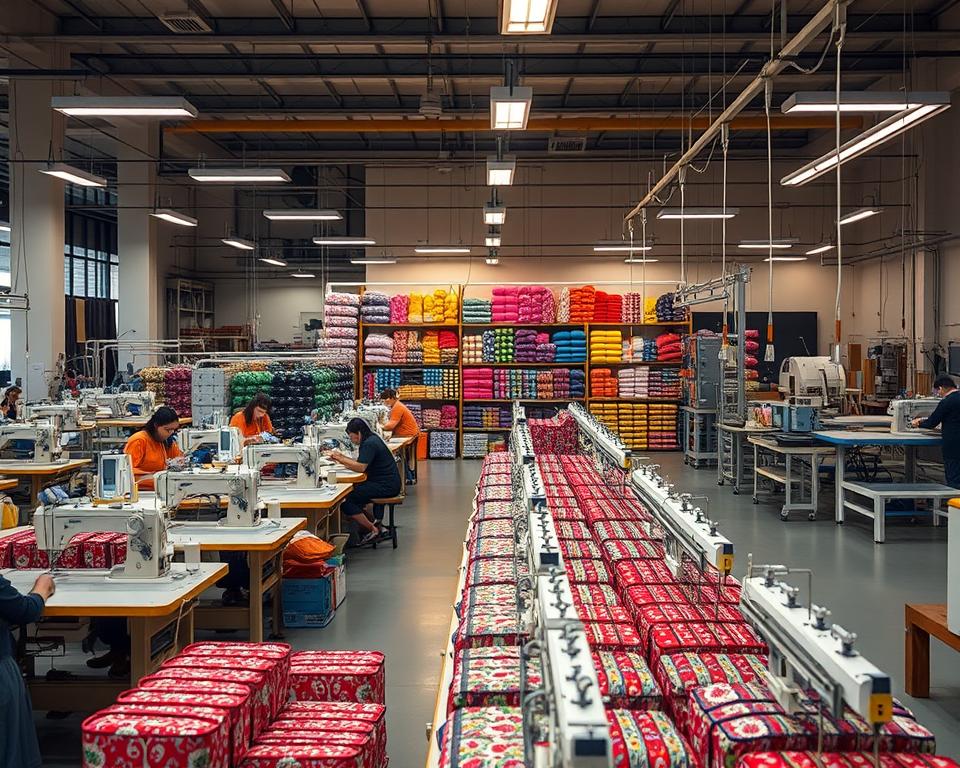
Upon entering, one sees the various stages that shape the bag’s final form. Designers work with engineers to craft innovative, practical designs. After prototypes pass inspection, the production process starts, involving cutting, sewing, and quality checks.

Efficiency in production is key to meeting market demands. They employ modern tech and expert staff to streamline processes. QC ensures each item meets specs before shipment.

Understanding the manufacturing process helps brands make better choices when picking a partner for their cosmetic bag needs. Whether it’s the range of materials or the craftsmanship expertise, exploring a custom makeup bag factory shows what distinguishes top manufacturers.

Choosing a Cosmetic Pouch Partner

Picking an ideal pouch supplier is vital for beauty labels. A thorough evaluation should consider several key factors for a successful partnership. Start by evaluating their output capability. Ensure they handle your volumes and deadlines.

Material options are also vital in your decision. Brands should check if the supplier uses high-quality materials that meet their standards. Superior materials enhance appeal and drive loyalty.

Looking at past custom velvet cosmetic bag samples can reveal a supplier’s craftsmanship and reliability. Reviews and feedback from other clients also shed light on their reputation. Communication quality impacts collaboration; assess their responsiveness on design and schedule.

In summary, making an informed choice requires a detailed evaluation of suppliers’ capabilities, quality, and communication skills.

Branded Cosmetic Case Producers: What to Look For

Choosing the right branded cosmetic case producer involves several key considerations. Look for manufacturers with a strong track record and glowing reviews from past clients. This can give you a clear picture of their capabilities. Durability and excellence are non-negotiable.

Assessing design adaptability is crucial. Unique designs can make your products stand out in a crowded market. Hence, early branding choices matter greatly. Trustworthy collaborations yield remarkable items, elevating brand recognition and loyalty.

In Closing

Choosing the right cosmetic bag manufacturer is key for beauty brands aiming to boost their marketing and look. The wide range of materials and production capacities means brands have many factors to weigh. These decisions greatly affect their overall brand image.

Custom bags are more than just containers for makeup; they reflect a brand’s identity and values. By picking a manufacturer that matches their vision, beauty brands can create products that deeply connect with their audience. That synergy drives loyalty and boosts revenue.

Selecting a bag maker is a tactical decision, not merely operational. With careful thought and a focus on quality and innovation, beauty brands can enhance their branding. They can also deliver products that make a lasting impact.

FAQ

Which cosmetic bag styles are available?

Producers supply many bag types: PVC, velvet, and organizer styles. Each type caters to different needs, from practicality to luxury appeal.

Why invest in bespoke beauty bags?

Custom cosmetic bags boost brand visibility and help differentiate your products. They meet specific consumer preferences, serving as both packaging and marketing tools.

Can manufacturers develop exclusive bag designs?

Absolutely—OEM/ODM services are available. It lets brands collaborate to produce one-of-a-kind styles reflecting their identity.

Which materials can be used for bags?

Manufacturers offer various materials, including durable PVC, elegant velvet, and different fabrics. Each appeals to unique segments and user tastes.

How to pick a cosmetic pouch partner?

Assess based on output scale, design flexibility, and QA. A strong portfolio and positive testimonials are key to ensuring a reliable partnership.

What is the average production capacity of a leading cosmetic bag manufacturer?

A leading manufacturer can produce over 90,000 units monthly. This allows brands to scale orders effectively based on demand and seasonal trends.

Why is quality assurance important in cosmetic bag manufacturing?

Quality assurance ensures cosmetic bags meet industry standards for durability and aesthetics. Reliable suppliers conduct thorough testing to prevent defects. This guarantees a product that reflects your brand’s quality commitment.

How do trends influence bag manufacturing?

Fast fashion demands flexibility from producers. They need to pivot fast for design shifts and consumer trends.

What should I look for in a branded cosmetic case producer?

Consider portfolios, design range, and QA when picking case makers. Their ability to communicate and collaborate with your brand is also essential.

Related: Online Marketing For Cosmetic Surgery

How to Vet Custom Mold Services Dallas for Quality Assurance

Dallas Injection Molding Experts: Superior Parts & Support

Did you know the global injection molding market is set to hit over $300 billion by 2026? Such expansion highlights the importance of injection molding in today’s manufacturing. Dallas is at the forefront, leading with innovative solutions and top-quality parts. Lowrance Machine is a key player, known for its superior craftsmanship and cutting-edge technology.

Boasting extensive experience, Lowrance Machine delivers Dallas enterprises top-tier mold builder Dallas. They serve a wide range of industries, from aerospace and automotive to consumer goods. Committed to excellence, they exceed industry benchmarks and expand the horizons of injection molding in Dallas.

Critical Findings

  • A booming $300 billion-plus market spotlights injection molding’s manufacturing role.
  • Lowrance Machine provides diverse, expert injection molding solutions in Dallas.
  • Proven expertise and modern tech drive their high-quality part production.
  • The company serves various industries including aerospace and automotive.
  • Adhering to strict standards ensures client satisfaction.

B0704873 2E0E 4B5E Ae72 B71Ed5561622

Overview of Injection Molding Offerings

Injection molding provides high-volume, precise part production. Dallas boasts many injection molding providers for multiple sectors. Custom injection molding Dallas is notable, allowing companies to create parts that meet specific needs.

Overmolding and insert molding have transformed the field. They fuse materials or parts simultaneously. Such approaches enhance versatility and performance.

Dallas injection molding offers significant cost efficiencies. It allows swift, mass part manufacturing. This approach helps keep prices competitive while ensuring efficient production. The process also allows for the creation of unique shapes and dimensions.

Choosing the right materials is critical for the performance of injection-molded products. Durable thermoplastics are the go-to choice for Dallas custom molding. Material choice shapes part quality and function, positioning it as a crucial step.

Mold Design and Development in Dallas

Effective mold design underpins high quality and lean production. Dallas designers hone in on material selection, draft angles, and wall thickness. They ensure molds withstand heavy cycles and deliver top parts.

Designing molds in Dallas demands a detailed approach to cavity layout and precision in dimensions. They use cutting-edge CAD systems to prevent production issues. Modern CAD enables high-performance molds with less scrap.

Opting for a seasoned mold builder in Dallas can greatly enhance product quality. Veteran designers apply process expertise to optimize molds. It reduces expenses, speeds output, and boosts competitiveness.

  1. Choosing Materials: This determines durability and performance.
  2. Draft Angles: Key to simple ejection from the mold.
  3. Thickness Control: Affects strength and weight of the final product.
  4. Multi-Cavity Design: Impacts how parts fill and cool.

The synergy between talented designers and advanced technology in Dallas drives innovative mold design and development. This ensures manufacturers can meet the dynamic needs of their sectors.

Injection Molds Dallas: Expert Capabilities and Services

In Dallas, Lowrance Machine is renowned for its advanced capabilities. It offers a wide range of solutions tailored to various industries. Their 5-axis machining capability enhances precision and throughput. This technology allows engineers to create complex designs and parts with ease.

These molds are vital for creating custom fasteners in Dallas, essential for numerous sectors. From concept through upkeep, they ensure molds adhere to strict specs. Their quality commitment guarantees dependability and client satisfaction.

Lowrance Machine also provides secondary operations to complement their primary molding services. These include assembly and part customization, delivering a complete solution for clients. By being versatile in their injection mold capabilities, the company serves a wide range of industries. They offer customized molding solutions that clients can rely on.

Capability Description
5-Axis CNC Machining High-precision, complex part production via multi-axis machining.
Injection Mold Production Comprehensive mold lifecycle services from concept to upkeep.
Tailored Fastener Manufacturing Bespoke fasteners designed to precise client specifications.
Post-Molding Services Post-production assembly and custom modifications.

Top Dallas Injection Molding Firms

Dallas is home to a plethora of companies that lead in injection molding services. These industry leaders are renowned for their commitment to quality and innovation. Lowrance Machine distinguishes itself, catering to medical, automotive, and consumer markets. They profoundly impact local manufacturing.

As a leader in industrial machining services Dallas, they excel. They manufacture accurate components to tight tolerances. Their use of green materials and modern tech underscores their eco-focus.

A premier custom fastener manufacturer Dallas commands industry respect. They excel at custom fasteners designed for precise applications. Their QC standards and creative engineering set them apart.

Multiple local experts produce rubber molds Dallas. Through cutting-edge processes, they generate robust, adaptable molds. They enable top-tier rubber part manufacturing. Their mastery of molding tech boosts Dallas manufacturers’ advantage.

In Dallas, molding firms thrive on precision craftsmanship, high quality, and novel solutions. They elevate local manufacturing and adapt seamlessly to emerging trends.

Final Thoughts

Injection molding fuels multiple sectors with crucial quality and throughput. Dallas’s injection molding champion is Lowrance Machine. They provide tailored services for each project’s demands. Their expertise in creating custom molds in Dallas ensures parts are made to the highest standards, driving innovation and growth.

Teaming with a skilled molding partner offers many advantages. Their end-to-end service, from prototype to full-scale runs, optimizes efficiency. It enhances part function and maintains company competitiveness.

Trusted molding partners are indispensable in Dallas. To enhance production, choose Lowrance Machine for your upcoming projects. With focus on quality, speed, and bespoke service, they’re ideal collaborators for innovation.